July 25, 2026
The foundation of any building is its core structural element. It bears the load, provides stability, and interacts with the earth to ensure the safety of the structure above. Ignoring foundation problems can lead to catastrophic consequences affecting both the structure and those residing within. Early detection and prompt attention to foundation issues are crucial for the longevity and security of buildings. Addressing these issues can prevent escalating risks and protect the investment in your property.
Ignoring foundation problems can compound over time, transforming minor issues into significant architectural failures. Such failures not only compromise the structural integrity but can lead to financial distress due to repair expenses. There is a false sense of security in not addressing hairline cracks, assuming them purely cosmetic. However, as indicated by HomeGuide, hairline cracks under 1/8 inch should still be monitored and sealed to prevent water intrusion. Proactive measures ensure that small concerns do not develop into severe, costly repairs.
The health and safety implications of a compromised foundation are significant. Risks extend beyond just physical damage to the home; they include posing direct threats to the occupants and potentially harmful environmental consequences. Structural damage can lead to injury, loss of property value, and increased liability. For these reasons, addressing foundation problems promptly is not just advisable, but necessary to mitigate risks.
1. Building Collapse
One of the most severe risks of ignoring foundation problems is the potential for building collapse. Foundations weakened by cracks and shifts can fail to support the building's weight. This failure results in catastrophic structural failures, sometimes without warning, endangering lives and property. Additionally, a slight compromise in the foundation's integrity can mean the difference between a minor repair and a complete rebuild. To prevent such dire outcomes, regular inspections and repairs of foundation faults are imperative.
Foundations serve as the primary anchor points for walls, floors, and roofs. When a foundation starts to fail, these components of the building may no longer align, causing stress on the entire structural system. This misalignment may initially present as small fractures or misfitting elements, but if neglected, it can evolve to threaten the entire building stability. A proactive approach can mean taking action when hairline cracks are detected, as recommended by HomeGuide. Early repairs and maintenance are far less expensive than reconstructing a collapsed building.
Foundation shifts can lead to disastrous consequences due to settlement problems. Settlement causes uneven stress distribution, which commonly results in one part of the building sinking while the other remains elevated. Not addressing early warning signs like misaligned windows or doors can lead to irreversible damage. It also puts undeniable stress on a building's mechanics and occupants. With foundational collapse, there's a severe risk to safety, highlighting the importance of diligent monitoring and corrective action.
2. Uneven Floors
The presence of uneven floors is an early indication of foundation problems. As the foundation begins to shift or settle unevenly, floors may start to slope or develop noticeable bumps. This problem not only affects aesthetics but also poses safety risks such as tripping hazards for inhabitants. In commercial buildings, even floors are critical for machinery and equipment that require level surfaces for proper operation. Addressing the underlying foundation issues can restore the levelness and safety of floors.
Uneven floors usually signal that the foundation is experiencing stress or movement. The roots of vegetation, improper drainage, or soil erosion often cause these problems. Without correcting the foundation, these floor anomalies will continue to develop, worsening as the structural integrity is compromised. It's important for property owners to identify and mitigate foundation problems at their onset to avoid extensive damage. Sealing hairline cracks as per HomeGuide recommendations can prevent further exacerbation of the problem.
In some cases, uneven floors might initially present themselves with subtle signs, like creaking or soft spots underfoot. As these signs progress without intervention, more significant issues such as large tilts or structural weakening can arise. Failure to address these promptly can lead to structural reinforcements or major renovations. Instituting regular inspections and employing corrective measures early in the problem's development are essential strategies for preservation. Professional assessment and stabilization can mitigate the probability of costly repairs.
3. Cracks in Walls and Ceilings
Cracks in walls and ceilings are common indicators of foundation issues. They often appear as a building settles over time and the foundation undergoes stress. While some minor cracks can be cosmetic, cracks that continue to grow or appear alongside misaligned components suggest serious foundational concerns. Addressing them quickly can prevent extensive damage to the structure’s integrity and avoid costly repairs in the future. Seasoned professionals can determine if the cracks necessitate immediate attention or monitoring over time.
A proper inspection can differentiate between cosmetic and structural cracks. Cosmetic cracks, such as those smaller than 1/8 inch, should still be regularly checked to prevent water intrusion, as suggested by HomeGuide. Left unattended, water seepage can penetrate the structure through these cracks, eventually leading to mold infestation and further damage. Sealant applications can temporarily correct small cracks, but comprehensive evaluation and reinforcement are necessary for more serious foundational concerns. Ensuring repair at an incipient stage is essential for maintaining the safety of any building.
As foundational shifting progresses, cracks can propagate and worsen, causing significant structural problems. A proactive response involves mapping the crack patterns to predict potential failure points in the home. This proactive analysis can guide targeted interventions to reinforce weak spots before they cause severe breakdowns. Spending resources on early repair is much easier and more economical than tackling full-scale structural rehabilitation. Homeowners should prioritize assessing and repairing any underlying foundational issues to uphold structural health.
4. Door and Window Misalignment
Doors and windows that don't close or open properly frequently indicate foundational shifts. These components might stick, jam, or miss their frames due to changes in the building's alignment. It's a significant red flag that the building continues to settle unevenly, necessitating expert evaluation. Misaligned doors and windows impact energy efficiency and can increase heating and cooling costs due to drafts. Addressing foundation stabilization promptly can restore their function and optimize energy savings.
The misalignment issue usually arises from differential settlement rates within the foundation. According to HomeGuide, small hairline foundation cracks under 1/8 inch are usually cosmetic but still need monitoring and sealing to prevent water intrusion. Doors and windows serve as precise visual indicators of such foundational displacement. As they shift, gaps can appear, leading to water intrusion and increased vulnerability to weather conditions. Repair efforts should encompass both immediate correction and long-term prevention strategies to manage foundation stabilization. Home assessments and expert monitoring are vital to ensure that foundational issues leading to these symptoms are corrected effectively.
Failure to address foundation problems that result in door and window misalignments can lead to other structural problems. The load-bearing walls may buckle under uneven stress, leading to additional damage over time. Misalignment might appear minimal initially, but it can signify more troublesome changes happening out of sight. Implementing repairs at this stage prevents exacerbated foundation shifts that could escalate property depreciation or lead to total structural failure. Avoiding these pitfalls requires addressing the foundational root of the misalignment promptly.
5. Basement Leaks
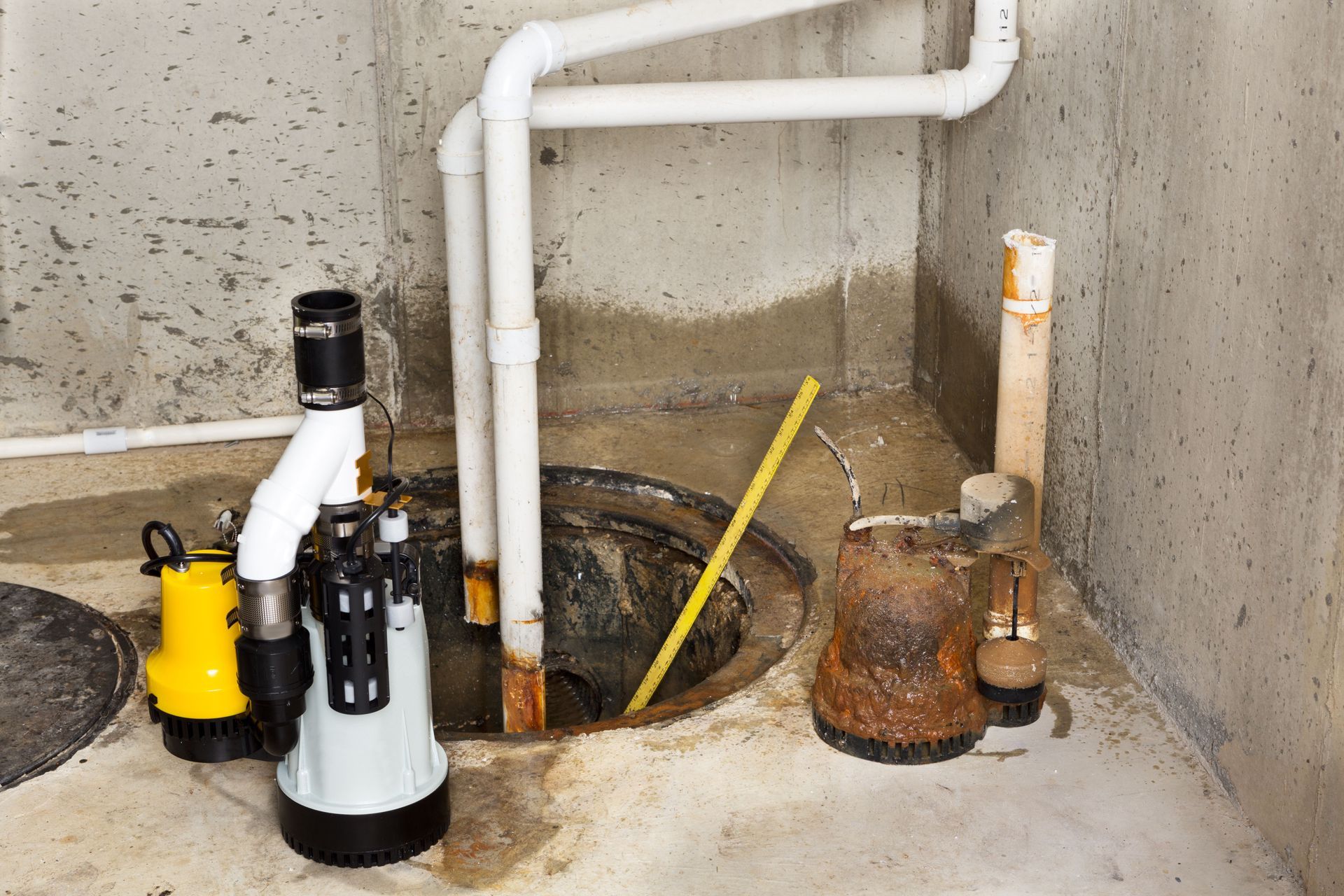
Basement leaks are often symptomatic of foundation issues, specifically when water intrusion occurs through cracks and weak points. Effective drainage systems and regular maintenance ensure that basements remain dry and structurally sound. However, changes beneath the surface can disrupt this balance, leading to water entering through compromised foundations. Early detection and watershed management are necessary to safeguard against prolonged leakage and potential household damage. Implementing improved drainage solutions sometimes accompanies foundational repairs to achieve this. Be sure to reach out to StoneBase Masonry - Basement & Foundation Repair Specialist today to learn more about our professional foundation repairs!