May 30, 2026
When you picture a cozy evening at home during the colder months, a warm fire often takes center stage. A well-maintained fireplace adds charm and warmth to your property. However, the structure that makes this possible is frequently ignored until a significant problem arises. Your venting system stands tall against the elements, enduring heavy rain, high winds, snow, and extreme temperature fluctuations. Despite its rugged brick-and-mortar exterior, it remains highly vulnerable to deterioration. A cracked or deteriorating structure can lead to severe property damage. Many homeowners assume masonry requires no maintenance, but overlooking subtle signs of degradation can lead to hazardous conditions and exorbitant bills. By understanding the hidden culprits behind structural failure, you can take proactive measures. Taking time to learn about these subtle threats will save you immense frustration. In this article, we will explore six common causes of damage that frequently slip under the radar.
1. The Silent Destructiveness of Water Infiltration
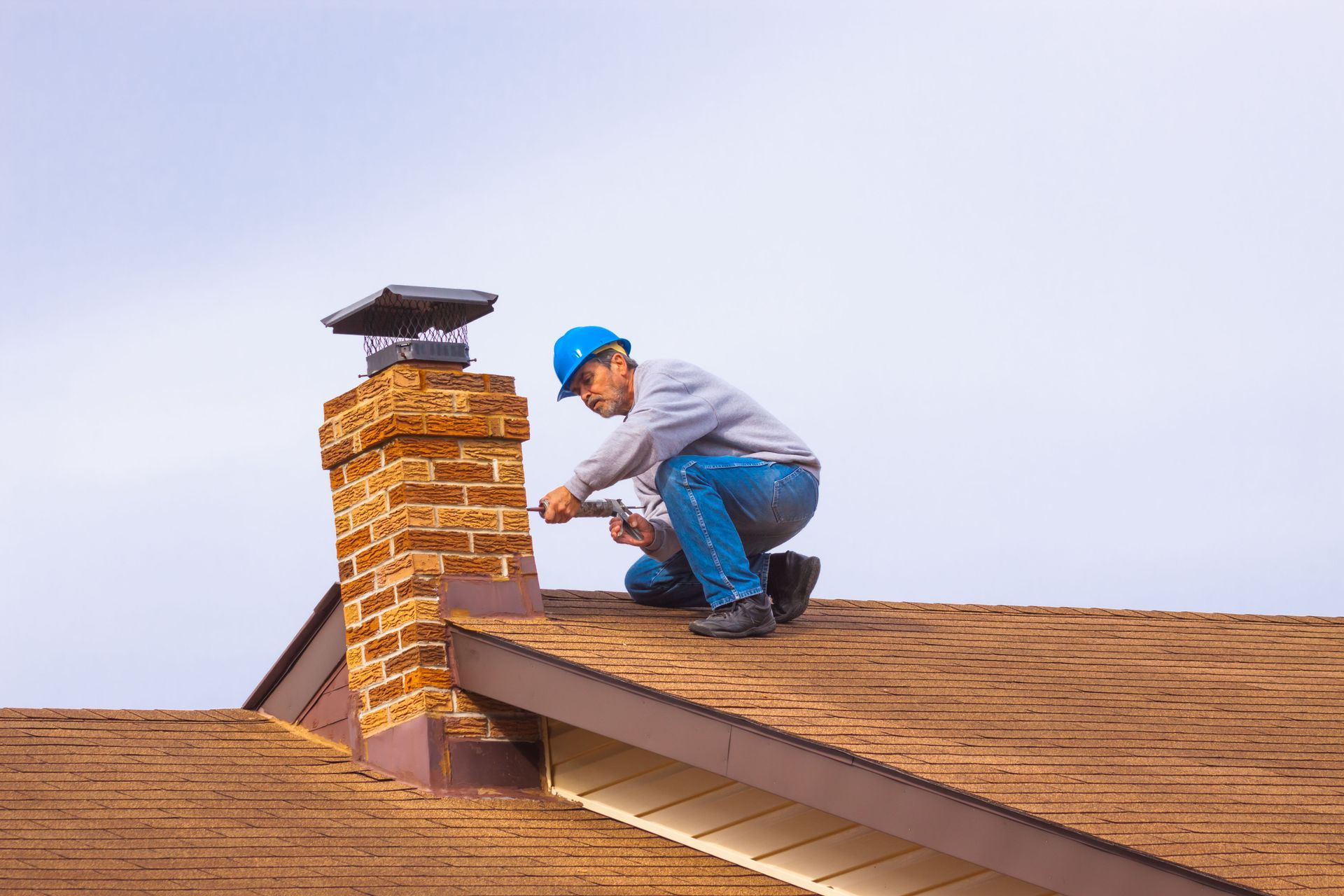
Water is arguably the single most destructive force for masonry structures. While bricks and mortar seem impenetrable, they are porous materials that absorb moisture. One frequent oversight by homeowners is a missing or damaged cap. This essential component prevents rain, sleet, and snow from pouring directly down the flue. Without a functioning cap, you are essentially leaving a hole in your roof open to the sky. Without it, moisture settles inside the lining and masonry walls, gradually breaking down materials. Furthermore, a cracked crown allows water to pool and seep into the structure. When the mortar joints crumble due to water logging, bricks lose their primary support. Once moisture infiltrates, it compromises the structural integrity of the entire system. Addressing these early signs of water damage with prompt chimney repair is crucial. Ignoring the problem allows water to rot adjacent wood framing, damage interior ceilings, and create a damp environment where mold thrives. Regular inspections help catch moisture issues early.
2. The Hidden Hazard of Creosote Accumulation
Burning wood naturally produces smoke, soot, and byproducts that travel up the flue. As these gases cool near the top, they condense and form a highly flammable, sticky substance known as creosote. Many homeowners fail to realize how quickly creosote builds up, especially if they burn unseasoned wood or operate fires at low temperatures. Over time, this dark, tar-like residue coats the inner walls of the flue. A thick layer of creosote restricts airflow, reducing efficiency and pushing smoke back into your living space. More importantly, it creates an extreme fire hazard. A stray spark can ignite a creosote glaze, resulting in a dangerous fire burning at incredibly high temperatures. Such extreme heat can crack flue tiles and melt mortar joints. When a fire damages the internal lining, specialized chimney repair becomes necessary to restore the structural safety of the flue and prevent future house fires.
3. The Relentless Force of Freeze-Thaw Cycles
In regions experiencing harsh winters, the continuous shifting of temperatures plays a devastating role in masonry deterioration. When moisture seeps into porous bricks and mortar during a storm or snowmelt, it remains trapped within the structure. As the temperature drops below freezing overnight, this trapped water expands by roughly nine percent. This expansion exerts tremendous internal pressure on the masonry. When the weather warms up, the ice melts, leaving behind slightly larger micro-cracks that absorb even more water during the next storm. This relentless cycle repeats dozens of times throughout the winter, eventually causing the faces of the bricks to flake away—a process known as spalling. Spalling compromises the load-bearing capacity of the structure. If you notice brick flakes on your roof or ground, scheduling a professional chimney repair is imperative. Delaying chimney repair allows the deterioration to accelerate, eventually leading to partial or complete structural collapse as bricks disintegrate.
4. Shifting Foundations and Structural Settling
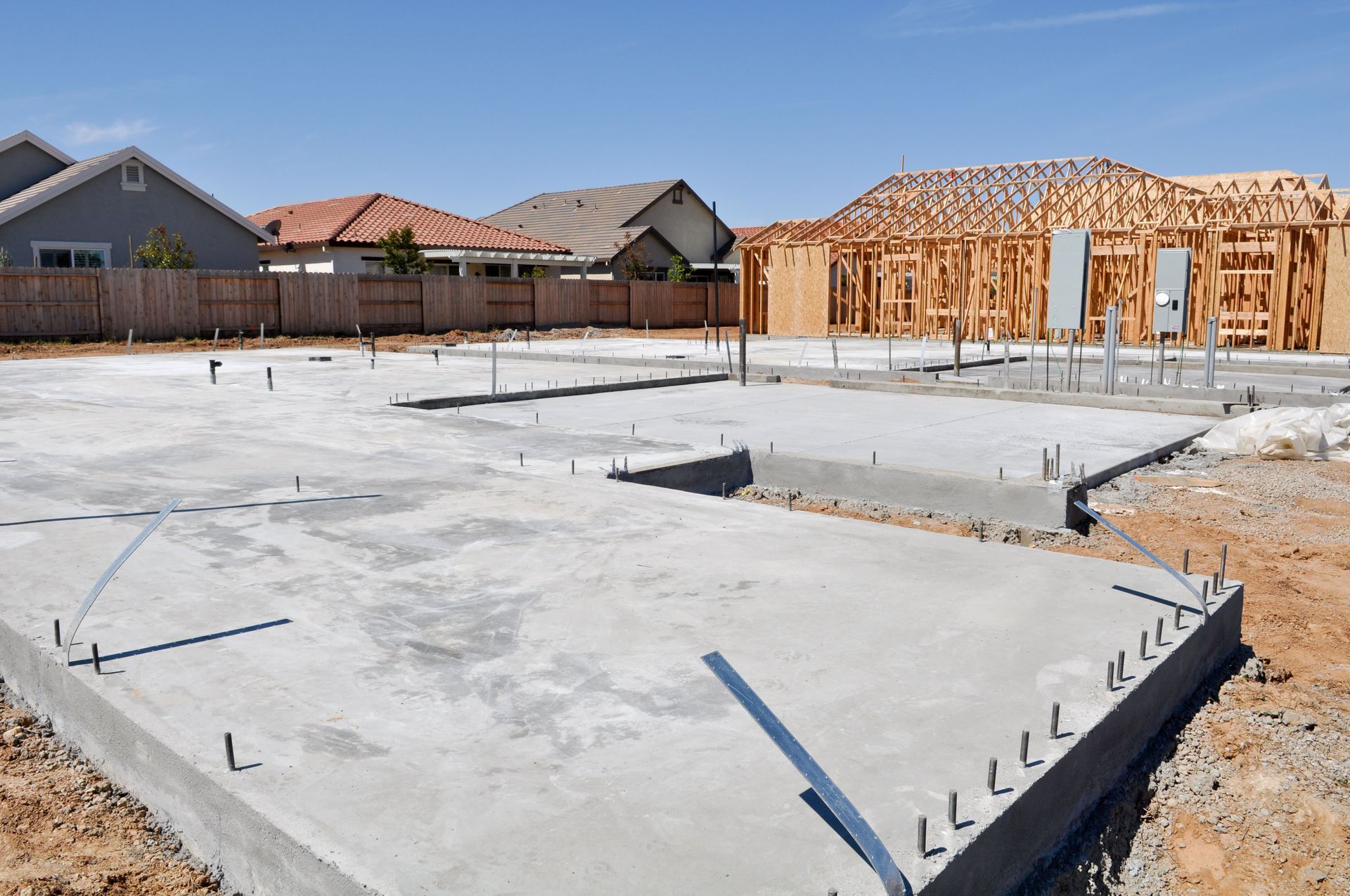
A home is a heavy structure resting on soil, and over the years, the ground beneath your house naturally shifts and settles. This underlying soil movement is entirely natural but can be incredibly destructive to masonry. Because masonry stacks are incredibly heavy and rigid, they are highly susceptible to any movement in the foundation or underlying earth. If the soil shifts unevenly due to poor drainage or drought, the stack may begin to lean away from the house. This leaning pulls the structure away from the siding, creating dangerous gaps where moisture and pests can enter. Furthermore, settling can cause severe stress cracks to travel up the exterior masonry and through the internal flue lining. Left unaddressed, a leaning structure poses a severe risk of collapsing entirely. Depending on the severity of the settling, basic chimney repair might not be sufficient to solve the problem. According to HomeGuide, chimney rebuilding becomes the better option when repair costs reach 50% or more of the replacement cost.
5. Failing Flashing and Inadequate Seals
The intersection where your masonry stack meets the roofline is one of the most vulnerable areas on your home exterior. To bridge this gap and keep water out, contractors install flashing—strips of sheet metal, typically made of aluminum, copper, or galvanized steel. Flashing is designed to overlap and direct water away from the seam. However, high winds, severe weather, and simple aging can cause these metal strips to lift, rust, or separate from the brickwork. Additionally, the caulking used to seal the flashing naturally dries out, becomes brittle, and cracks over time due to UV exposure. When flashing fails, water has a direct pathway into your attic, ceiling, and the masonry structure itself. Homeowners often overlook this critical seal because it is difficult to see from the ground. Fortunately, a targeted chimney repair that replaces or reseals the flashing can quickly resolve the issue. Ensuring this barrier remains intact is vital.
6. Obstructions, Debris, and Animal Nests
While structural degradation is a significant concern, internal blockages are equally dangerous and easily overlooked. Throughout the year, debris such as leaves, twigs, pine needles, and branches can blow into an uncapped flue. Furthermore, the dark, warm, and sheltered environment inside the stack is attractive to wildlife. Birds, squirrels, raccoons, and bats frequently seek refuge inside, building large nests that completely block the passage of air. An obstructed flue is extremely hazardous because it prevents dangerous combustion gases, including carbon monoxide, from venting safely out of your home. Instead, these invisible, odorless gases are forced back down into your living areas. Additionally, dry nesting materials act as perfect kindling for a rogue spark, putting the dwelling in jeopardy. Removing these blockages often requires more than just basic sweeping; sometimes, animals cause internal damage to the flue lining that requires professional chimney repair to fix. Keeping the top capped prevents intrusions.
Maintaining a safe and functional fireplace requires more than sweeping out ashes once a year. As explored throughout this guide, numerous hidden factors—ranging from water infiltration and freeze-thaw damage to failing flashing and foundational settling—can quietly compromise your masonry structure. Because many issues develop out of sight, they often go unnoticed until the damage becomes extensive and costly. Taking a proactive approach through annual inspections and routine maintenance is the best way to protect your property and ensure the safety of your family. By addressing minor structural flaws promptly, you preserve the longevity, beauty, and structural integrity of your home for decades to come. If you notice signs of deterioration, do not wait for the problem to escalate into a catastrophe. To ensure your home remains safe and structurally sound year-round, contact StoneBase Masonry - Basement & Foundation Repair Specialist.