August 26, 2026
Basement waterproofing is a crucial measure for maintaining and enhancing the value of your property. The integrity of a house is intricately linked to how well the basement is protected against water intrusion. This article explores the multifaceted benefits of waterproofing your basement—from preventing structural damage to enhancing air quality and boosting energy efficiency.
Understanding the Importance of Basement Waterproofing
The Basics of Basement Waterproofing
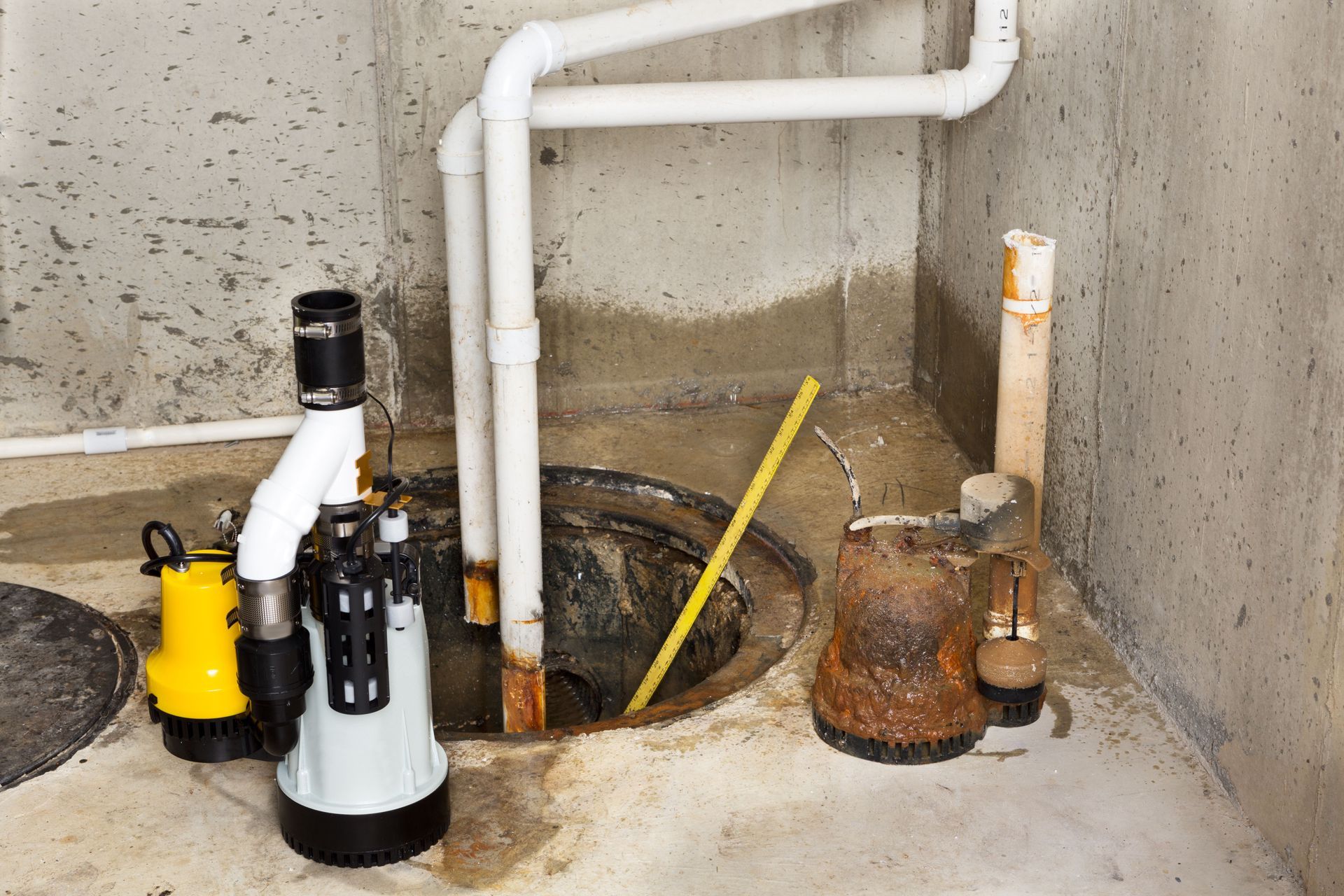
Basement waterproofing involves a range of techniques aimed at preventing water from seeping into the basement, thereby protecting your home from potential water damage. This generally includes both interior and exterior waterproofing solutions, such as applying sealants to walls, fixing drainage systems, and installing sump pumps. Each method serves a specific purpose depending on the extent of moisture exposure and specific geographical factors affecting a property. An effectively waterproofed basement serves as a shield, protecting the structure from water-related issues and playing a key role in maintaining the long-term value of the property. With advances in technology, these preventive measures have evolved to be more effective, making waterproofing a smart investment for any homeowner.
The Impact of Water Damage on Property Value
Water damage can drastically depreciate a property's value, making it imperative to address potential water intrusion issues. Without effective waterproofing, basements are prone to water seepage, which can lead to structural damage, mold growth, and a raft of other problems. Properties consistently exposed to moisture generally face declining market value due to compromised structural integrity and increased repair costs. In many cases, homes with water damage are significantly harder to sell, and when transactions do occur, the sale price is often much lower than expected. Therefore, investing in waterproofing solutions not only protects the asset but also mitigates long-term depreciation risks.
Common Waterproofing Methods Explained
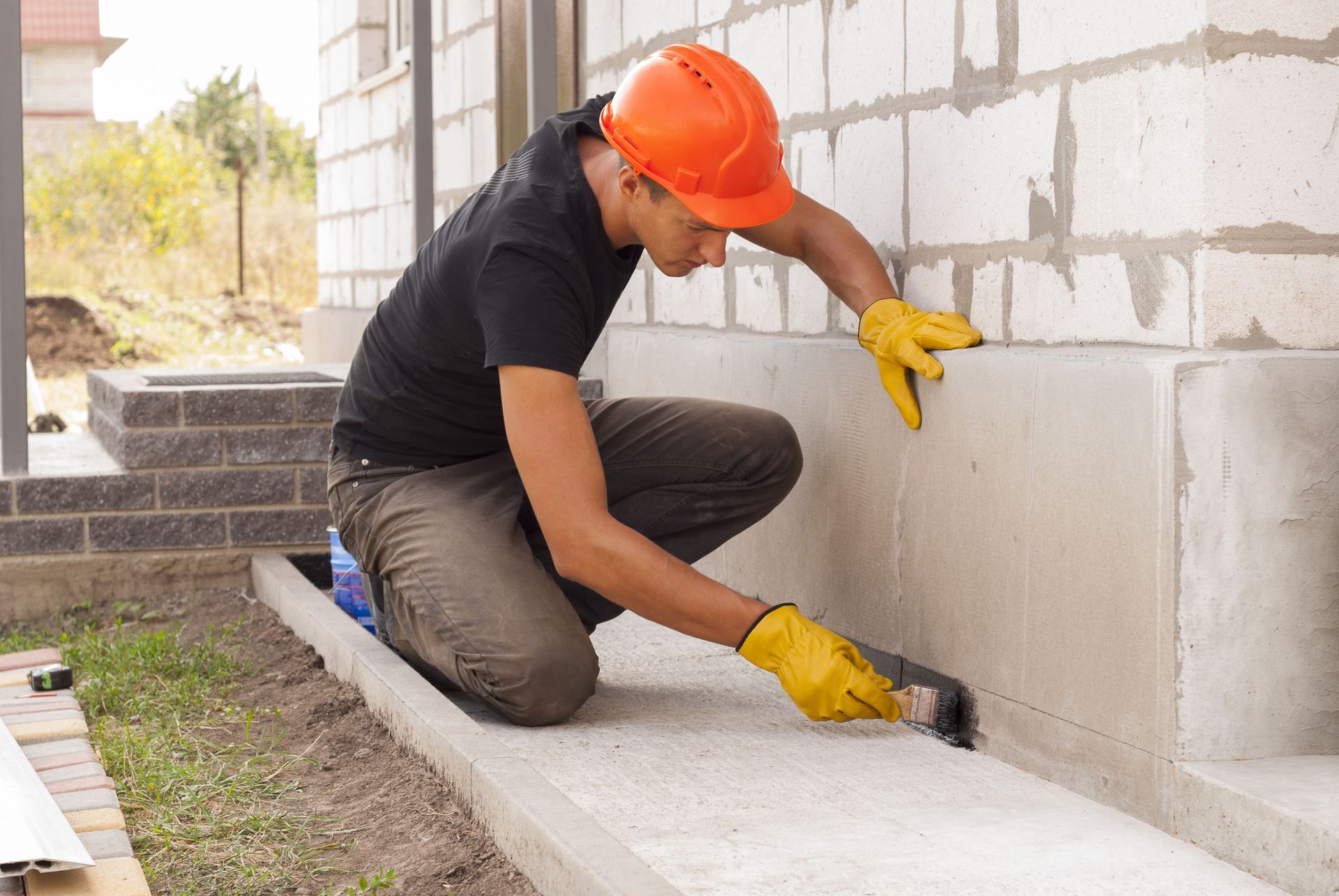
Various techniques are available for basement waterproofing, each suited to different types of water exposure. The most common methods include interior sealants, exterior waterproofing coatings, and drainage systems designed to reroute water away from the foundation. Interior sealants involve applying waterproof solutions to walls and floors to act as moisture barriers. Exterior methods typically rely on excavating the perimeter to apply barrier layers directly to the house's foundation, effectively preventing any water penetration. High-quality waterproofing systems, according to HomeGuide, can last from 10 to 30 years or more, offering long-term protection and peace of mind for homeowners.
Preventing Structural Damage
Early Signs of Water Infiltration
Detecting early signs of water infiltration is crucial for preventing structural damage. Early indicators include discoloration on walls, standing water on the basement floor, and a persistent damp or musty odor. When moisture begins to penetrate a basement, it not only damages the interior but also compromises the entire structure, especially the foundation. Catching these signs early allows for timely intervention, minimizing potential harm and the costs involved in extensive repairs. Regular inspections by a professional can help detect vulnerabilities early, allowing homeowners to address issues before they escalate.
The Role of Waterproofing in Foundation Stability
Waterproofing plays an integral role in maintaining foundation stability. Excessive moisture can weaken a foundation, leading to shifting, cracking, and potentially severe structural issues. Ensuring that the basement is watertight prevents water infiltration, which is essential for sustaining the core stability of any building. A stable foundation not only extends the longevity of the property but also preserves its market value. By safeguarding structural integrity through waterproofing, homeowners protect their investment from unforeseen shifts or failures.
Long-term Effects of Water Damage
Ignoring water damage can have severe long-term repercussions for homeowners. Water not only weakens structural components, causing foundations to shift and walls to crack but also fosters mold growth, which can severely degrade air quality. Over time, minor leaks can escalate into significant problems, requiring extensive and costly repairs that far exceed the initial investment in waterproofing. The persistence of water damage can even lead to irreversible harm, devaluing a property and complicating resale efforts. By failing to address early signs of water intrusion, homeowners risk both their health and their property value.
Enhancing Indoor Air Quality
The Connection Between Moisture and Mold
The presence of moisture in a basement significantly contributes to mold growth. When basements aren't properly waterproofed, they become breeding grounds for mold, which can negatively affect indoor air quality. Mold thrives in damp conditions and can quickly spread to other parts of the house, posing health risks to its occupants. Incorporating effective waterproofing measures restricts moisture ingress and subsequently controls mold proliferation. This approach not only preserves air quality but forms a cornerstone of healthy living environments.
Waterproofing Techniques for Air Quality Improvement
Waterproofing directly impacts indoor air quality by eliminating conditions conducive to mold growth. Techniques like improving drainage, installing vapor barriers, and utilizing dehumidifiers are effective in maintaining optimal indoor air conditions. A dehumidifier can complement waterproofing efforts by regulating moisture levels, thus reducing the likelihood of mold growth. For comprehensive improvements, integrating these techniques as part of a holistic waterproofing strategy offers the best results. This enhancement in air quality subsequently translates into better living conditions and an increase in property appeal.
Benefits of Mold Reduction on Property Value
Reducing mold presence through efficient waterproofing methods contributes positively to a property's value. Properties with no mold or moisture issues are more attractive to potential buyers, as they come with the assurance of a healthier living environment. On the flip side, homes infested with mold are usually subject to price reductions, as buyers factor in the cost of repairs and remediation. Effective waterproofing can therefore ensure the property remains competitive within the real estate market. The peace of mind it offers to potential buyers can often lead to quicker and more profitable sales.
Increasing Usable Living Space
The Basement as a Livable Space
The basement offers a valuable opportunity to increase a home's usable living space, but only if it remains dry and habitable. Waterproofing transforms basements from mere storage areas to potential extensions of living space, suitable for family rooms, entertainment zones, or guest suites. As land costs rise, maximizing interior space without enlarging the building footprint becomes crucial. When homeowners convert their basements, they essentially increase the home's square footage, offering a valuable asset to potential buyers. By ensuring the basement is waterproofed, homeowners unlock this often-overlooked potential, making the space both functional and inviting.
Market Value of Additional Livable Space
Additional livable space in a home is a significant driver of market value. Space is a premium in real estate, and homes with finished basements or additional rooms command higher market prices. Buyers frequently gravitate towards properties with more square footage, as they offer greater flexibility in terms of usage. By transforming unused basement areas into living spaces through waterproofing, homeowners can substantially boost their home's appeal and corresponding market value. This investment often results in handsome returns, as improved livable space is a tangible, sought-after commodity.
Buyer Preferences for Enhanced Living Areas
Modern homebuyers often prioritize properties that offer enhanced living areas, valuing both the potential for growth and versatility of space. Basements converted into livable rooms provide an attractive option for growing families, remote workers, and those seeking additional recreational areas. By ensuring the basement is waterproofed, homeowners cater to this growing demand for expanded, adaptable spaces. As a result, properties with finished, moisture-free basements are more likely to attract offers and sell for premium prices. This buyer preference trend underscores the dual benefits of increased living comfort and elevated property appeal.
There are numerous ways
basement waterproofing can preserve your home's worth. If you want to learn more about how this service can transform your property into a highly valued asset, reach out to StoneBase Masonry - Basement & Foundation Repair Specialist today!